Echoes of Independence: 250 Years of Revolution and Memorialization
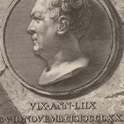
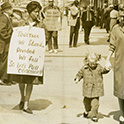
How does a nation remember its founding? Beyond retelling the events of 1776, Echoes of Independence examines how successive generations have shaped the Revolutionary narrative to reflect their own values, anxieties, and aspirations. In the decades following independence, veterans published personal narratives that emphasized individual sacrifice and hardship, while historians such as South Carolina’s own David Ramsay began the work of establishing a foundational Federalist narrative. By 1876, the nation's Centennial celebration transformed remembrance into spectacle. Newspapers such as Harper’s and Frank Leslie’s lavishly illustrated the Philadelphia Exposition's technological marvels, while guidebooks turned historical pilgrimage to the cradle of independence into tourism. A century later, the 1976 Bicentennial produced its own complex responses, occurring in the wake of the Civil Rights and Women’s Movements as well as the crisis in Vietnam and the Watergate scandal. The rare books, manuscripts, pamphlets, ephemera, and commemorative materials gathered here from across the University Libraries’ Special Collections demonstrate that the meaning of 1776 is never fixed. It is continually reinvented through publishing, performance, protest, and popular culture in an ongoing dialogue between past and present that reveals as much about who we are as who we were.